
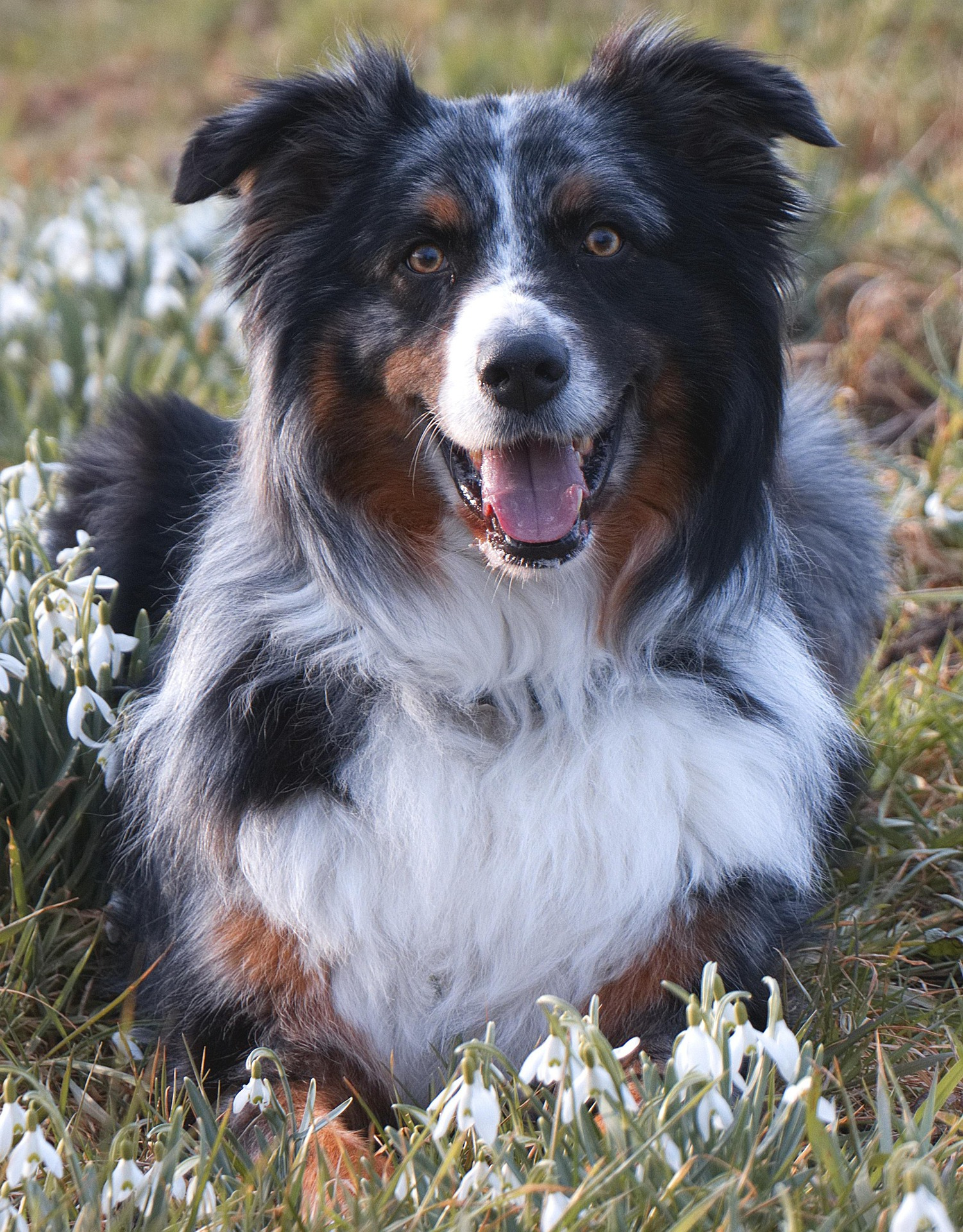
Do Australian Shepherds Have Separation Anxiety?
Do Australian Shepherds have separation anxiety? Australian Shepherds can be very attached to their people, so yes, some Australian Shepherds can develop separation anxiety. This does not mean every Aussie will struggle when left alone, but it does mean the breed can be more prone to stress, boredom, and problem behaviors if their physical and mental needs are not being met.
Because Australian Shepherds are intelligent, energetic, and people-focused, they often do best when they have structure, exercise, training, and a predictable routine. When those things are missing, some Aussies may become anxious when left home alone.
What Is Separation Anxiety in Australian Shepherds?
Separation anxiety is when a dog becomes overly stressed or panicked when separated from their owner. In Australian Shepherds, this can show up because they are loyal working dogs that form strong bonds with their families.
A dog with separation anxiety is not being stubborn or “bad.” They are usually reacting to fear, stress, or frustration.
Signs of Separation Anxiety in Australian Shepherds
Some of the most common signs include:
- Barking or whining when left alone
- Scratching at doors or windows
- Chewing furniture or household items
- Pacing around the house
- Having accidents indoors
- Drooling more than usual
- Trying to escape a crate or room
- Acting extremely clingy before you leave
Some of these behaviors can also be caused by boredom, lack of exercise, or a young puppy’s normal adjustment period. That is why it helps to look at the full pattern of behavior.
Why Australian Shepherds May Struggle When Left Alone
Australian Shepherds were bred to work closely with humans. They are not a low-energy breed that is usually content to sleep all day without stimulation.
Common reasons an Aussie may struggle alone include:
- Not enough daily exercise
- Not enough mental stimulation
- Sudden schedule changes
- Lack of crate or alone-time training
- Being left alone too long
- Stress after a move, adoption, or major life change
If your dog already seems restless or overexcited during the day, that can make alone time even harder.
Are Australian Shepherd Puppies More Likely to Have Separation Anxiety?
Australian Shepherd puppies can seem more prone to separation problems because they are still learning confidence and routine. Puppies often need time to adjust to sleeping alone, spending time in a crate, and being separated for short periods.
That does not always mean true separation anxiety. Sometimes it simply means the puppy needs gradual training, consistency, and age-appropriate exercise.
If you are raising a young dog, read our Australian Shepherd puppy training guide:
How to Help an Australian Shepherd With Separation Anxiety
If you are looking for a step-by-step plan, read: How to Stop Australian Shepherd Separation Anxiety
The best approach is to reduce stress while helping your dog build confidence over time.
1. Increase exercise before alone time
Aussies usually do better when they have had a walk, training session, game, or active play before being left alone.
You can learn more here: Australian Shepherd exercise needs
2. Give your Aussie mental stimulation
Puzzle toys, chew toys, and structured enrichment can help prevent boredom and make alone time easier.
One of the best ways to reduce separation anxiety is by keeping your Australian Shepherd mentally engaged. Using the right toys can prevent boredom and destructive behavior. See our full guide here:
Best Toys for Australian Shepherd Separation Anxiety
3. Create a calm resting space
Some dogs feel more secure with a comfortable crate, bed, or quiet area of the house.
Providing a comfortable place to rest can also reduce stress and anxiety. A high-quality bed helps your dog relax while you’re gone:
Best Dog Beds for Australian Shepherds
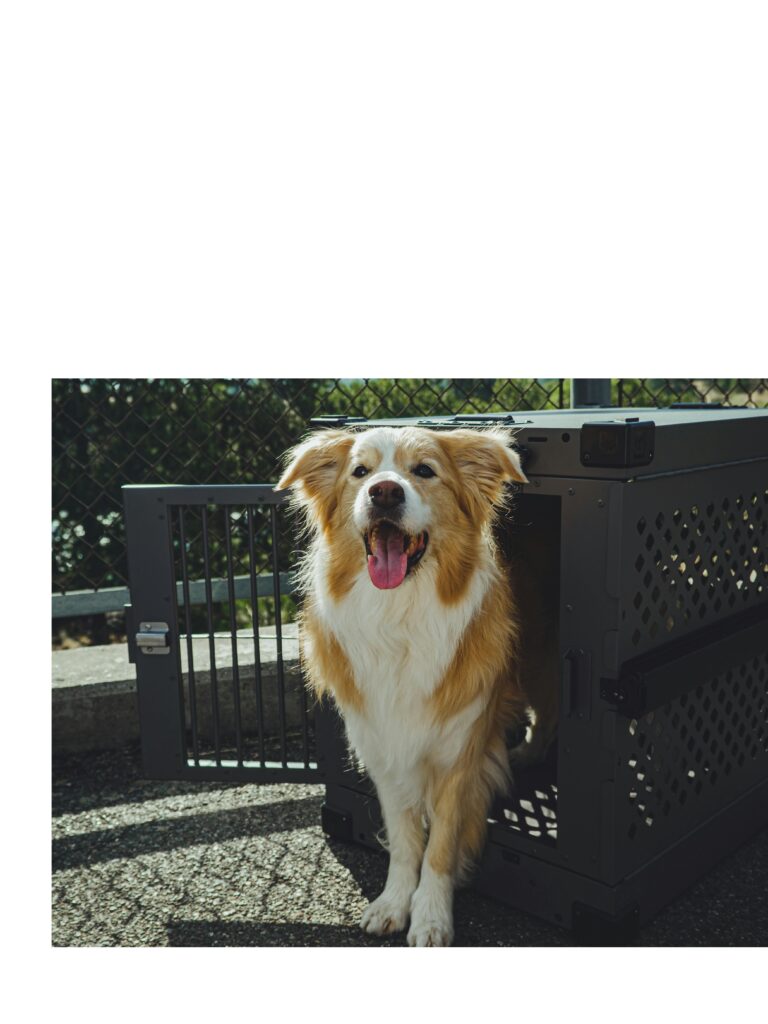
Crate training can also help your dog feel safe and secure when you’re away. If used correctly, a crate becomes a calm and comfortable space instead of a punishment. See our recommendations here:
Best Crates for Australian Shepherds
4. Practice short departures
Leave for very short periods at first, then slowly increase the time. This helps your dog learn that you always come back.
5. Avoid making departures too emotional
Try to keep arrivals and departures calm and low-key so your Aussie does not build more anticipation or stress around those moments.
6. Use training and routine
Australian Shepherds often thrive when they know what to expect. A routine for walks, meals, play, and rest can help reduce anxiety.
If you are working on behavior and focus in general, this article may help: How to calm an Australian Shepherd
Should You Use a Crate for an Aussie With Separation Anxiety?
A crate can help some Australian Shepherds feel secure, but it is not the right solution for every dog. If a dog has severe separation anxiety, forcing crate time can sometimes make things worse.
The crate should feel safe, comfortable, and slowly introduced. Never use it as punishment.
If you need help choosing one, start here: Best Crates for Australian Shepherd Separation Anxiety
A comfortable resting space can also help. See our guide: Best Beds for Australian Shepherd Separation Anxiety
When Separation Anxiety Might Be Something Else
Sometimes owners assume separation anxiety when the real issue is:
- Too much pent-up energy
- Normal puppy behavior
- Need for more training
- Barking habits
- Lack of routine
- General overstimulation
These related articles may help you narrow it down:
Why is my Australian Shepherd so hyper?
Do Australian Shepherds bark a lot?
Do Australian Shepherds pull on leash?
When to Talk to Your Veterinarian
If your Australian Shepherd shows extreme panic, self-injury, nonstop destruction, or sudden behavior changes, it is smart to talk with your veterinarian. In some cases, anxiety can be tied to medical problems or require a more structured training plan.
Final Thoughts
Australian Shepherds can have separation anxiety, especially if they are under-exercised, under-stimulated, or very attached to their owners. The good news is that many Aussies improve with routine, training, exercise, and a calm environment.
The key is to look at the full picture. In many cases, helping your Aussie burn energy, stay mentally engaged, and feel secure can make a big difference.

👉 Free Aussie Training Tips Delivered Weekly 🐶
👉 Simple, proven advice for real Aussie owners
Join other Australian Shepherd owners getting simple training tips, gear recommendations, and real-life advice delivered weekly.